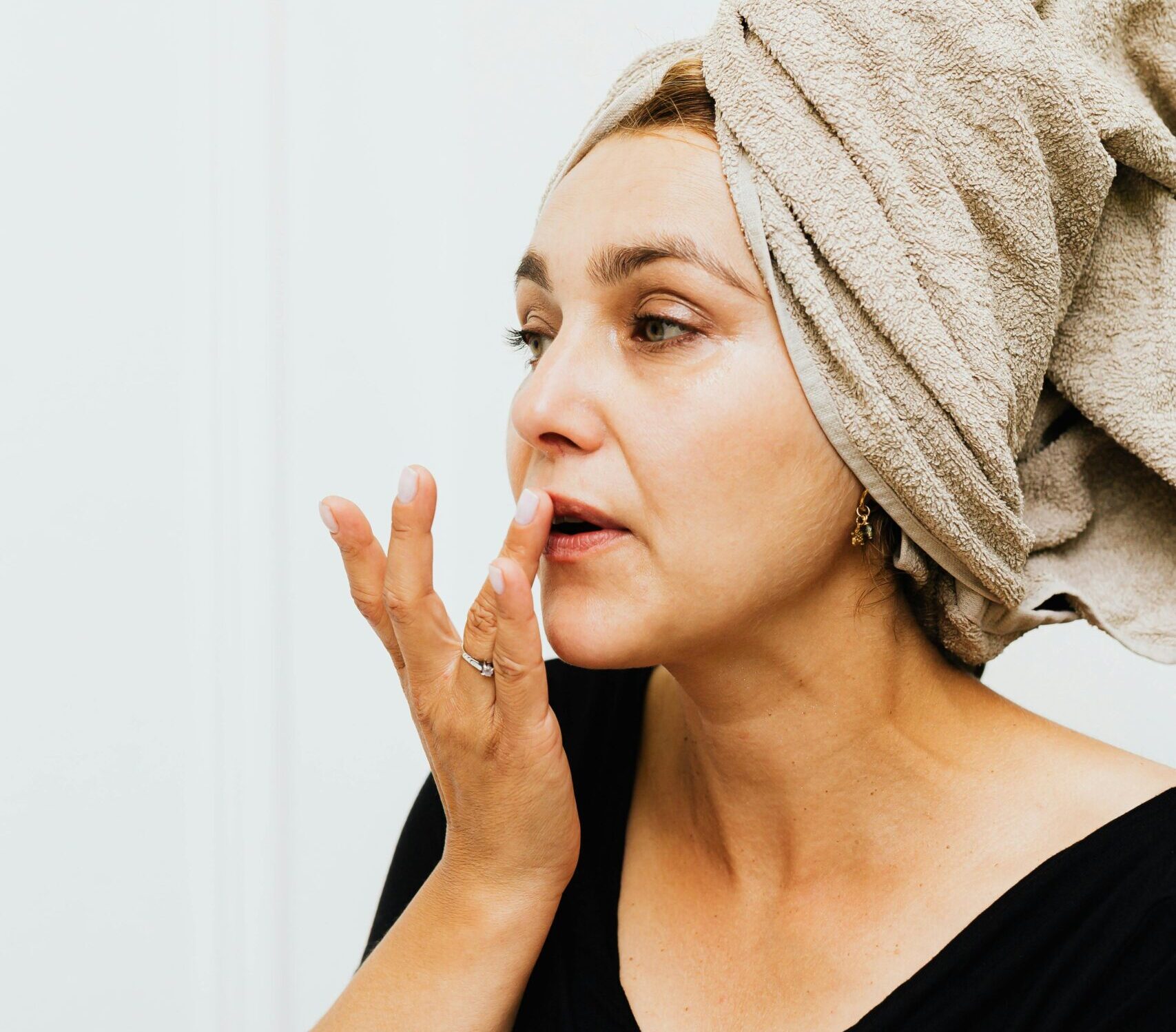
Breakouts are one of the most frustrating skin concerns. You invest time, money, and effort into skincare, yet pimples, clogged pores, and inflammation still appear without warning. While hormones, stress, and diet often get the blame, the real culprit is frequently hiding in plain sight—your skincare ingredients. Many products marketed as “skin-friendly” or “acne-safe” contain hidden ingredients that breakouts absolutely love.
These ingredients may not cause immediate reactions, which makes them even more dangerous. Instead, they work slowly, clogging pores, disrupting the skin barrier, and triggering inflammation over time. If your acne keeps returning despite a consistent routine, your products may be silently working against you.
Understanding which ingredients fuel breakouts is the first step toward clearer, healthier skin.
Why Breakout-Causing Ingredients Are Hard to Spot
Skincare labels are complex by design. Long chemical names, vague terminology, and marketing claims often distract consumers from what really matters. Ingredients that trigger acne are rarely labeled as harmful—they are simply hidden behind scientific names or grouped into umbrella terms.
Breakouts thrive when pores are clogged, oil production is disrupted, or inflammation increases. Many commonly used skincare ingredients create these exact conditions while promising smoothness, glow, or hydration.
Acne is not always caused by what’s missing in your routine—often, it’s caused by what shouldn’t be there.
Comedogenic Oils That Quietly Clog Pores
Not all oils are bad for the skin, but some are highly comedogenic, meaning they clog pores easily. Ingredients like coconut oil, wheat germ oil, and cocoa butter are often praised for their nourishing properties, yet they can be disastrous for acne-prone skin.
These heavy oils create a thick layer on the skin that traps oil, sweat, and bacteria inside pores. Over time, this leads to blackheads, whiteheads, and inflamed pimples.
What makes this worse is that these oils are commonly found in “natural” or “DIY-inspired” skincare products, which many people assume are safer.
Silicones That Create the Illusion of Smooth Skin
Silicones such as dimethicone and cyclopentasiloxane are used to create a silky, flawless finish. They temporarily smooth the skin, blur pores, and make makeup apply beautifully.
However, silicones do not treat acne—they hide it. By forming a film over the skin, they can trap bacteria, oil, and dead skin cells underneath. This creates the perfect environment for breakouts to thrive.
While occasional use may be tolerable, regular use of silicone-heavy products can worsen congestion and prevent the skin from healing naturally.
Fatty Alcohols That Feed Acne
Not all alcohols are drying, but certain fatty alcohols—such as cetyl alcohol and cetearyl alcohol—can be problematic for acne-prone skin. These ingredients are used to thicken products and improve texture.
Fatty alcohols can clog pores and trigger breakouts in sensitive or acne-prone individuals. While they may feel moisturizing at first, they often contribute to congestion over time.
This is especially problematic when multiple products in a routine contain these ingredients, increasing cumulative exposure.
Fragrance That Triggers Inflammation
Fragrance is one of the most common hidden acne triggers. Listed as “fragrance” or “parfum,” it may include dozens of undisclosed chemicals.
Fragrance increases skin inflammation, which directly worsens acne. Inflamed skin produces more oil and heals more slowly, making breakouts more severe and long-lasting.
Even if fragrance doesn’t cause immediate irritation, long-term exposure weakens the skin barrier and increases sensitivity, making acne harder to control.
Synthetic Dyes That Irritate the Skin
Artificial colors and dyes add nothing to skincare except visual appeal. These ingredients are often derived from petroleum and appear as FD&C or D&C colors.
Synthetic dyes can irritate the skin and trigger inflammatory responses, especially in acne-prone or sensitive skin types. Inflammation is a major driver of breakouts, even when pores are not heavily clogged.
Clear or lightly colored products are usually safer choices for breakout-prone skin.
Isopropyl Myristate and Other Pore-Blocking Esters
Certain esters are notorious for causing breakouts, with isopropyl myristate being one of the worst offenders. These ingredients are added to improve spreadability and texture.
Isopropyl myristate has a high comedogenic rating and can clog pores rapidly, leading to sudden breakouts that are difficult to trace back to a single product.
Even small amounts can cause problems when used consistently.
Thickening Agents That Suffocate Pores
Thickening agents are added to give products a luxurious, creamy feel. While texture may feel comforting, thicker formulas often sit heavily on the skin, especially in humid climates or for oily skin types.
Some thickening agents prevent proper absorption and trap oil beneath the surface. This creates pressure inside pores, leading to inflamed acne and painful cysts.
Breakouts thrive when the skin cannot breathe properly.
Overuse of Occlusives
Occlusive ingredients like petrolatum and mineral oil seal in moisture—but they also seal in everything else. While they can be helpful for very dry skin, they are often problematic for acne-prone individuals.
Occlusives trap sweat, bacteria, and sebum, increasing the likelihood of clogged pores and breakouts.
Used incorrectly or layered with multiple products, occlusives can quickly overwhelm acne-prone skin.
Poorly Balanced Exfoliating Ingredients
Exfoliating acids such as AHAs and BHAs are popular for treating acne, but overuse or improper formulation can worsen breakouts.
Excess exfoliation damages the skin barrier, triggering inflammation and increased oil production. When the barrier is compromised, acne-causing bacteria spread more easily.
Breakouts caused by over-exfoliation are often mistaken for purging, leading to continued misuse and worsening skin.
Why These Ingredients Keep Causing Breakouts
Many acne-triggering ingredients remain popular because they improve product feel, appearance, or shelf life. Marketing focuses on instant results, not long-term skin health.
Breakouts don’t always appear immediately—some ingredients take weeks to show their effects. This delay makes it difficult for consumers to identify the real cause.
Without ingredient education, people unknowingly repeat the same mistakes.
How to Protect Your Skin from Breakout-Loving Ingredients
The most effective way to prevent acne is to simplify your routine. Choose products with fewer ingredients and avoid known pore-cloggers.
Look for fragrance-free, non-comedogenic, and barrier-supporting formulations. Ingredients like niacinamide, glycerin, ceramides, and lightweight humectants are generally safer for acne-prone skin.
Introduce new products slowly and patch test whenever possible.
Clear Skin Starts with Awareness
Breakouts are not always a result of poor hygiene or bad habits. Often, they are a reaction to hidden skincare ingredients that your skin never needed in the first place.
By learning which ingredients breakouts love, you take control of your skin’s health. Clear skin is not about using more products—it’s about using the right ones.
Your skin reflects what you apply daily. Choose wisely, stay informed, and let your skincare routine support clarity instead of chaos.
Leave a Reply