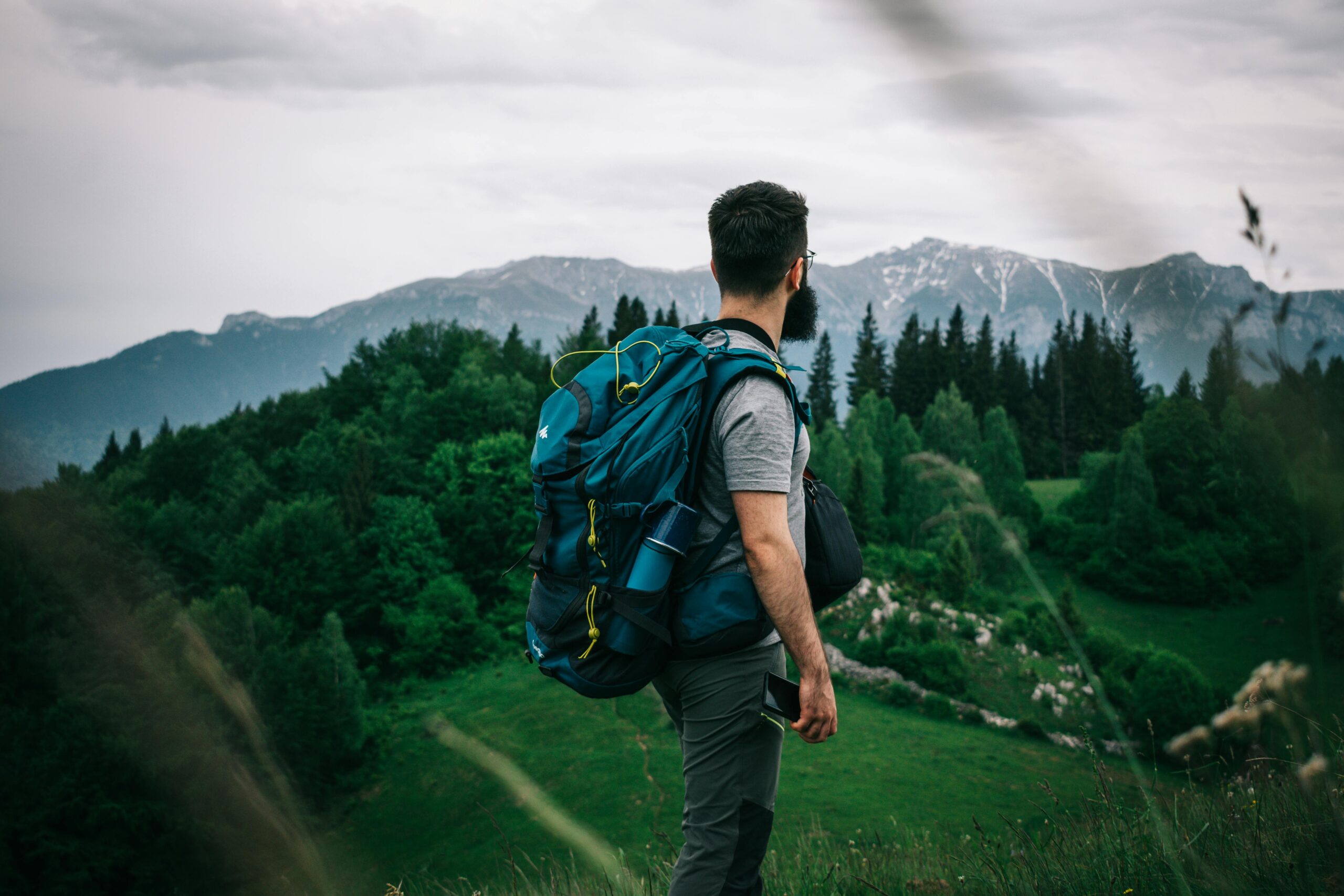
Solo travel is no longer a niche concept reserved for backpackers or digital nomads—it has become a powerful lifestyle choice. In 2026, more people than ever are choosing to travel alone, not because they have no company, but because they want freedom, self-discovery, and complete control over their journey. Traveling solo allows you to experience the world on your own terms, pushing boundaries, building confidence, and discovering parts of yourself you never knew existed.
Solo travel is not about being alone; it’s about being fearless in your independence. This guide reveals the secrets that experienced solo travelers swear by—insights that transform fear into confidence and uncertainty into excitement.
Why Solo Travel Is Rising Globally
The rise of remote work, flexible schedules, and global connectivity has completely reshaped how people travel. Solo travel fits perfectly into this new era. Travelers no longer wait for the “right company” or matching schedules—they simply go.
Solo travel empowers you to make spontaneous decisions without compromise. You choose when to wake up, where to eat, and how long to stay. This freedom creates a deeper connection with destinations and people.
In 2026, solo travel is also seen as a form of personal development. Each journey builds resilience, adaptability, and emotional strength—skills that extend far beyond travel.
The Biggest Fear About Solo Travel (And Why It’s a Myth)
The most common fear about solo travel is safety. Many first-time solo travelers imagine worst-case scenarios that rarely happen. While awareness is essential, fear often comes from unfamiliarity, not actual danger.
Experienced travelers know that preparation is the real secret. Researching destinations, understanding cultural norms, and staying alert significantly reduce risks.
Solo travel is not unsafe—it simply requires smarter planning.
Choosing the Right Destination as a Solo Traveler
Not all destinations feel the same when traveling alone. Some places naturally welcome solo travelers with friendly locals, efficient transport, and strong travel infrastructure.
Begin with destinations known for safety, walkability, and social travel culture. Countries with hostels, public transport, and traveler-friendly communities make solo travel smoother and more enjoyable.
In 2026, solo travelers are increasingly choosing destinations that support slow travel—places where staying longer feels natural and safe.
The Art of Packing Light and Smart
Packing light is a solo travel superpower. When you travel alone, you carry everything yourself, and simplicity becomes freedom.
A lighter bag means easier mobility, faster transitions, and less stress. Pack versatile clothing, essential documents, and safety basics while avoiding “just in case” items.
Smart packing also includes digital preparation—scanned documents, offline maps, and emergency contacts stored securely.
How to Stay Safe Without Feeling Restricted
Safety doesn’t mean limiting your experiences—it means being aware. Solo travelers develop a strong sense of intuition, often sharper than group travelers.
Trust your instincts more than online reviews or assumptions. If a place feels off, leave. If someone makes you uncomfortable, create distance politely.
Avoid oversharing personal details, especially with strangers. Blend in with locals, dress appropriately, and avoid displaying valuables openly.
Confidence is your strongest defense.
Building Confidence Through Small Wins
Fearless solo travel doesn’t happen overnight. It grows through small achievements—navigating a foreign transport system, ordering food in another language, or finding your way without GPS.
Each success builds momentum. The more you rely on yourself, the more capable you realize you are.
Over time, solo travelers develop emotional independence that transforms how they handle challenges both on the road and in life.
Meeting People While Traveling Alone
One of the biggest misconceptions is that solo travel is lonely. In reality, it’s often more social than group travel.
Solo travelers are more approachable, and conversations happen naturally. Staying in hostels, joining walking tours, or attending local workshops opens doors to meaningful connections.
However, solo travel also teaches you to enjoy your own company—a rare and valuable skill in today’s hyperconnected world.
Managing Loneliness Without Losing the Joy of Solitude
There will be moments of quiet, especially during long stays. Instead of fearing them, embrace solitude as part of the experience.
Loneliness passes, but self-awareness lasts. Journaling, photography, or slow walks help process emotions and deepen the journey.
Solo travel teaches balance—knowing when to seek company and when to enjoy silence.
Money Management Secrets for Solo Travelers
Budgeting is more important when you travel alone, as costs aren’t shared. But solo travel can still be affordable with smart planning.
Choose destinations where solo dining and accommodation feel natural, not expensive. Use local transport, eat where locals eat, and avoid tourist traps.
Tracking expenses daily helps maintain control and avoid financial stress.
Digital Safety and Online Awareness
In the digital age, safety extends beyond physical surroundings. Public Wi-Fi, social media sharing, and online bookings require caution.
Avoid posting real-time locations publicly. Use VPNs when connecting to open networks and keep devices password-protected.
Being digitally aware protects both your privacy and peace of mind.
Solo Travel for Women: Breaking the Fear Barrier
Women around the world are redefining solo travel. While concerns exist, countless women travel solo safely every day.
Research, cultural awareness, and confidence change everything. Dressing modestly where required, understanding local customs, and setting boundaries create safer experiences.
Female solo travelers often report increased self-trust and empowerment after their journeys.
Handling Emergencies When You’re Alone
Preparation is key. Keep emergency numbers, embassy contacts, and medical details easily accessible.
Knowing what to do before something happens reduces panic. Travel insurance is non-negotiable, and keeping friends or family updated adds an extra layer of safety.
Most solo travelers never face serious emergencies—but being ready makes all the difference.
The Mental Shift That Makes Travel Fearless
Fearless travel doesn’t mean fear disappears. It means fear no longer controls your choices.
Solo travel teaches you that discomfort is temporary, but growth is permanent. Each journey strengthens emotional resilience and adaptability.
Over time, you stop asking, “What if something goes wrong?” and start asking, “What if this changes my life?”
Why Solo Travel Changes You Forever
Traveling alone rewires how you see the world—and yourself. You become more patient, observant, and confident.
Solo travel turns uncertainty into curiosity and fear into fuel. You return home with stories, strength, and a deeper understanding of who you are.
In 2026, solo travel is no longer about escaping—it’s about evolving.
The World Is Safer Than Your Fear Suggests
The world is vast, diverse, and surprisingly kind. While caution is necessary, fear should never stop you from experiencing life fully.
Solo travel is not about proving bravery to others—it’s about trusting yourself enough to begin.
Once you travel solo, you don’t just explore the world—you discover your own power. 🌍✨
Leave a Reply